
By Stephen Greenslade and Grace Thirkill
Climate change impacts all the communities we live and work in. At Parametrix, we work alongside communities to understand climate-related risks, reduce emissions, and build resilience across interconnected physical, social, economic, and environmental systems.
The Forests of the Pacific Northwest
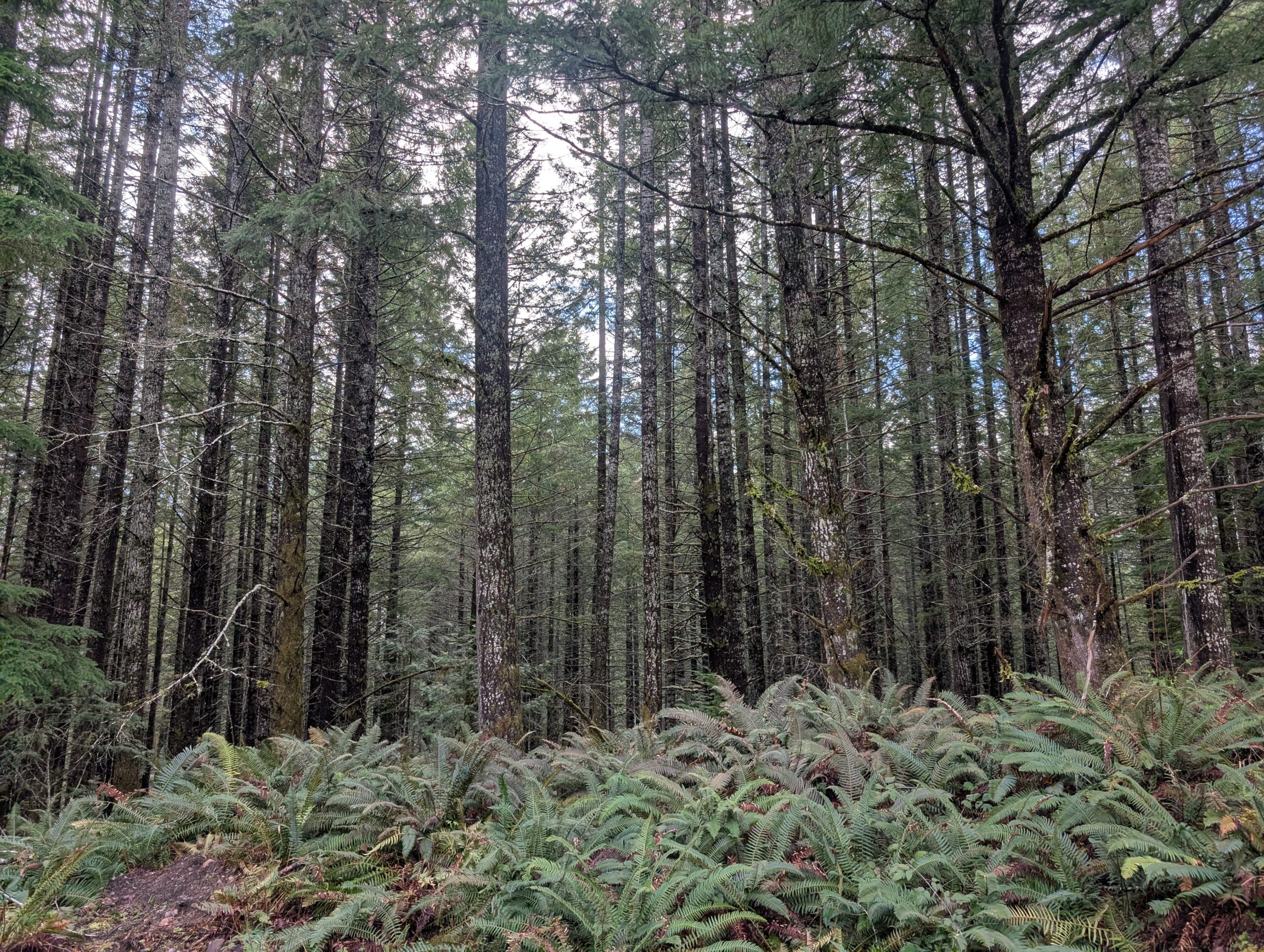
In the Pacific Northwest, we enjoy some of the most biologically productive forests in the world. They support local economies, recreation, biodiversity, clean water, and carbon sequestration. However, climate-driven wildfires, combined with overgrown forest conditions and increasing heat and drought, are putting those benefits at risk.
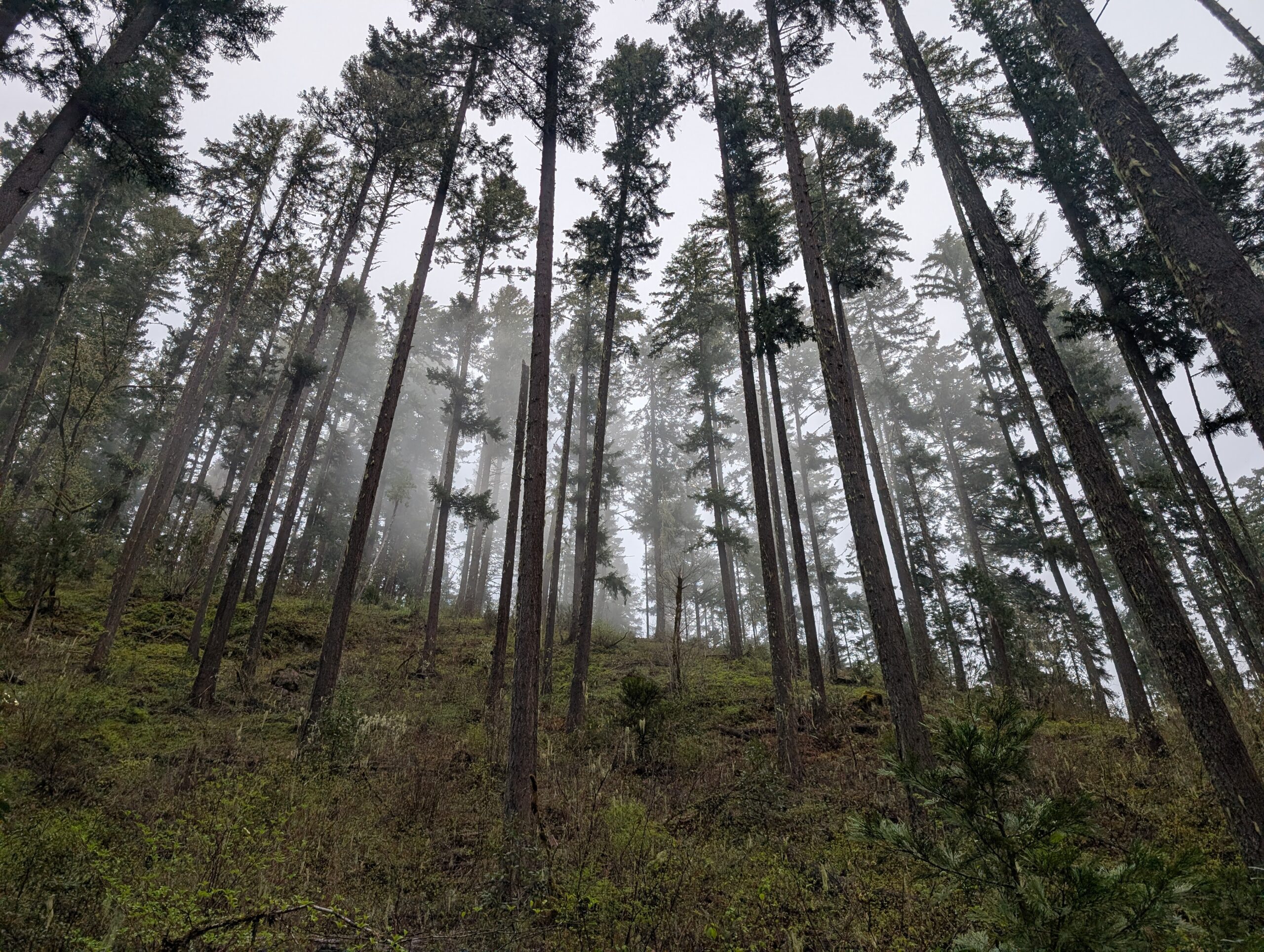
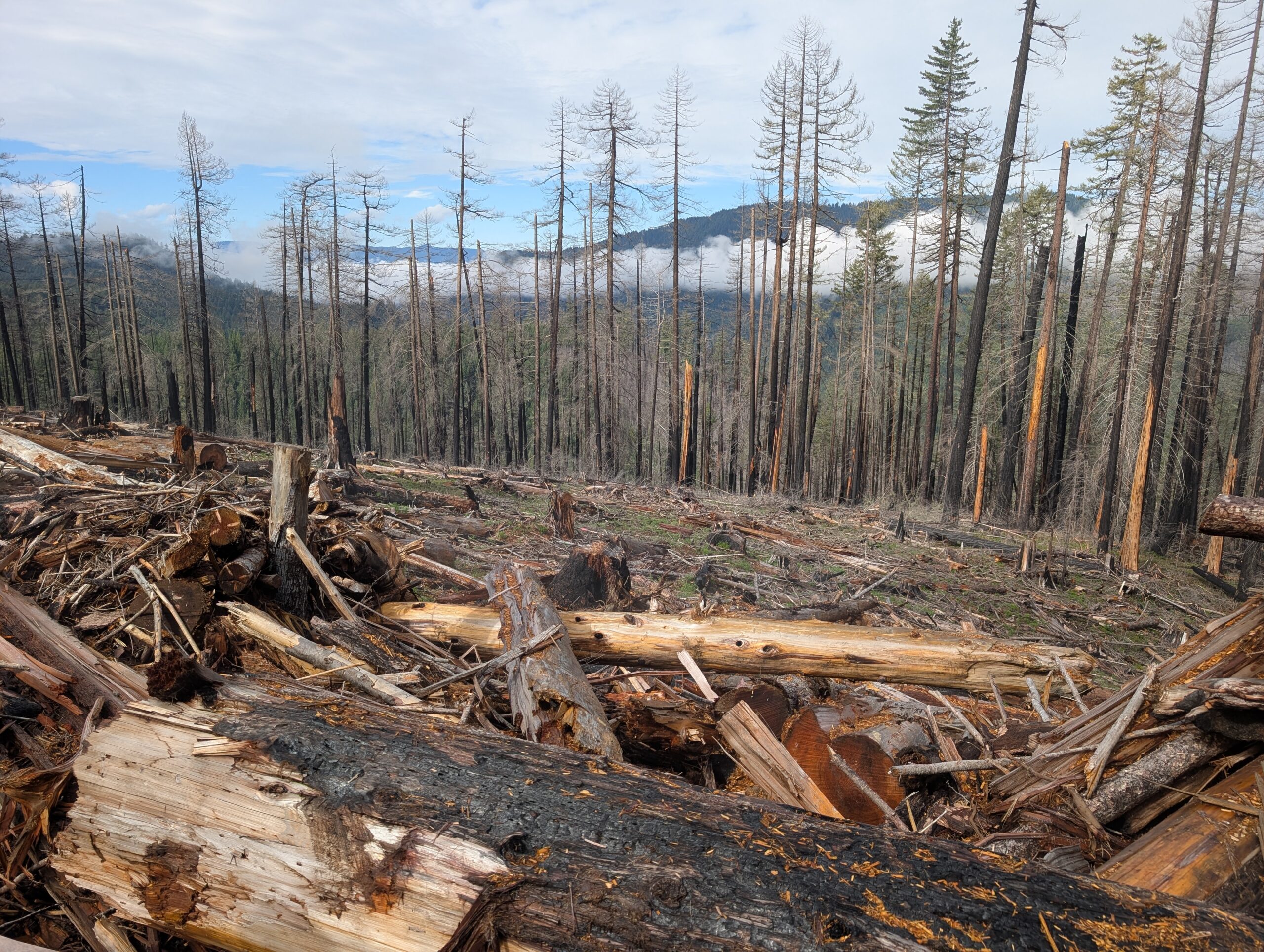
The forests in our region are constantly growing, and due to a century of fire suppression and historical underinvestment in forest health practices, many areas are heavily overgrown. With increasing heat and high-severity drought conditions, the dice are loaded for catastrophic wildfires.
Megafires have widespread impacts beyond destroying homes and communities – they devastate habitats, release harmful pollutants and greenhouse gases, degrade essential watersheds, and impose significant human, environmental, and economic costs.
In response, communities across the region are looking for practical strategies that reduce wildfire risk, improve forest health, and strengthen local economies.
Woody Biomass: Utilizing Forest Materials
One key opportunity is woody biomass utilization: finding viable pathways to use forest material removed through restoration and hazardous fuels reduction projects. When approached strategically, biomass utilization can contribute to forest health, energy resiliency, and rural economic development.
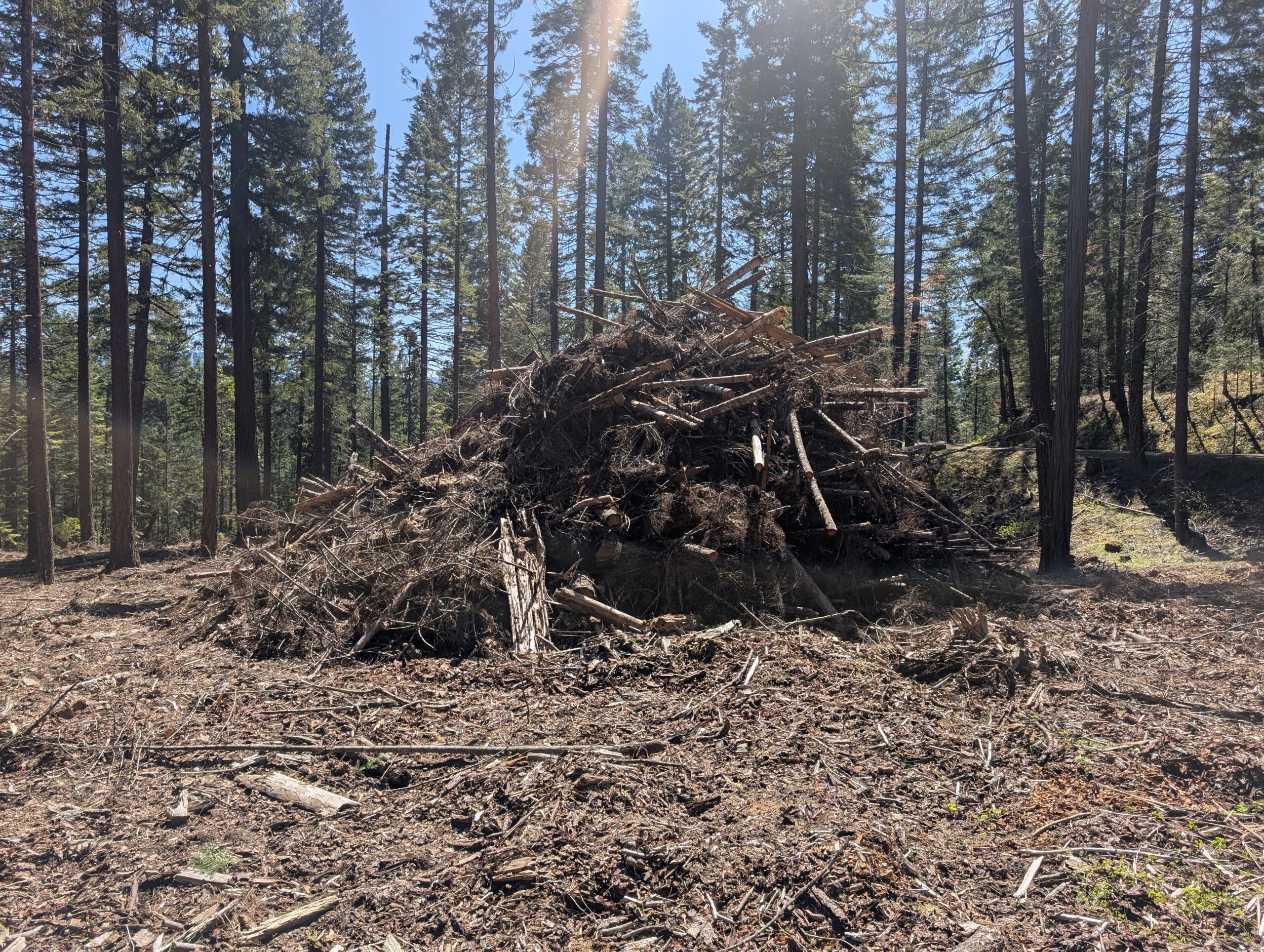
The challenge is real – scaling forest health practices is expensive, and the cost of removing excess biomass and hauling it to a processing facility often exceeds the revenue from biomass product sales. Because of the cost, fuel reduction and forest health treatments are deferred, and when they do happen, the material is most often piled up in the forest and burned.
It is possible to get more value out of this low-value waste material, and doing so can help achieve both forest health goals and support wildfire risk reduction and rural economic development.
How Parametrix Partners with Communities
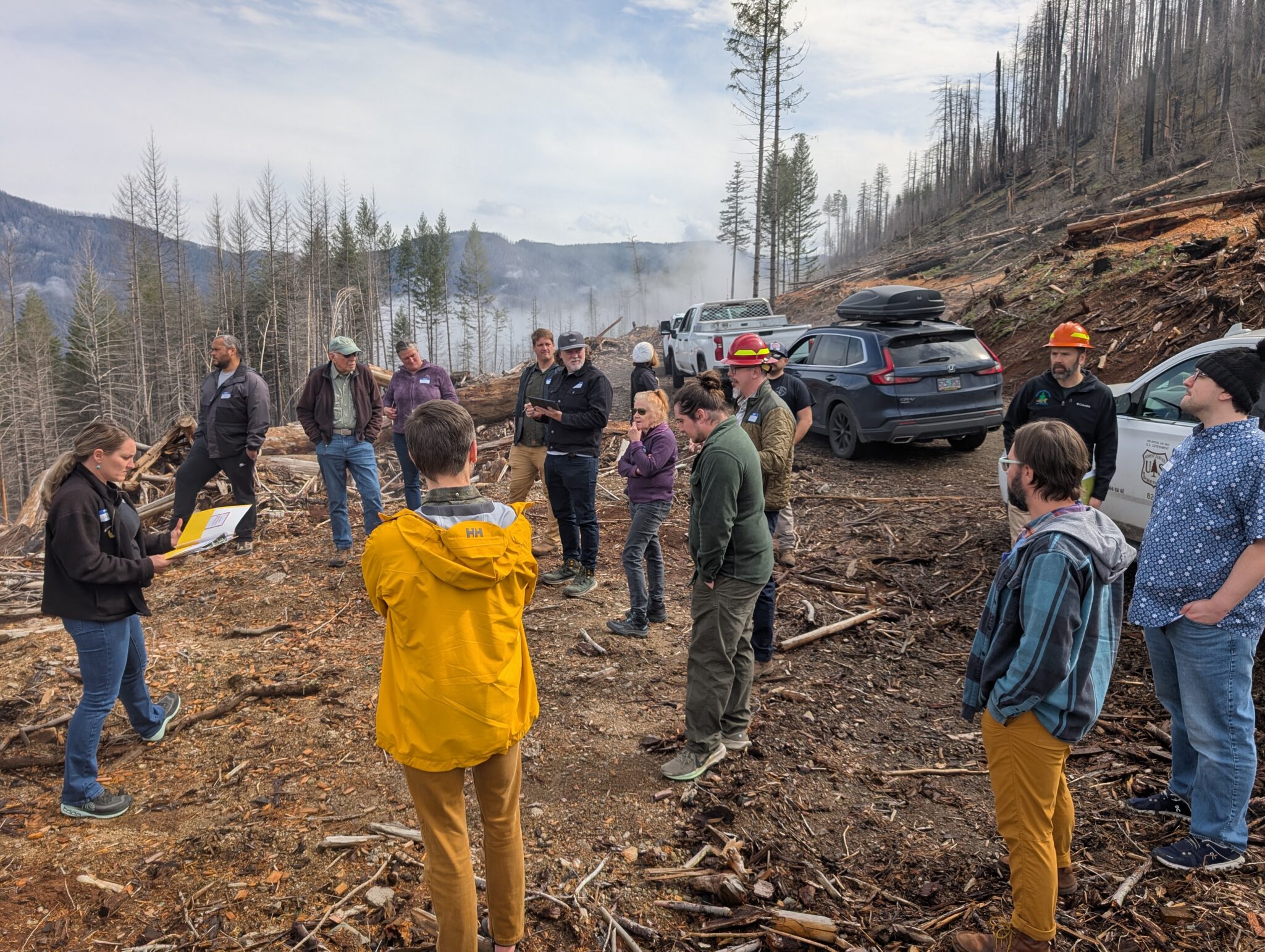
At Parametrix, our work brings together wildfire risk analysis, forest condition assessment, biomass quantification, facility feasibility, market strategy, climate analysis, and community engagement. We help entrepreneurs, small businesses, Tribes, and rural communities turn forest restoration and wildfire risk reduction into economic opportunity.
Here’s how we can assist communities:
- High-resolution risk analysis and estimated wildfire-related emissions to understand risks to forests, watersheds, infrastructure, and communities.
- Forest condition assessments and biomass quantification analysis to build an understanding of the scale and accessibility of potential biomass feedstocks.
- Preliminary biomass facility feasibility assessments, strategic planning, and fundraising as a part of broader community and economic development strategies.
- Market strategies and business planning to identify the best market for biomass and wood products while evaluating financial and technical feasibility.
- Due diligence for carbon market opportunities, such as carbon credits for biochar, and completing greenhouse gas inventories to understand environmental costs and benefits.
Our team has experience assessing climate-related risks and vulnerabilities, quantifying real and expected impacts, and developing actionable strategies to reduce emissions and build resilience against the changes that are already underway. Using the best available scientific models, advanced spatial analytics, and collaborative planning, we help clients identify where climate-related risks are greatest and where action can deliver the most value.
Together, let’s create vibrant, sustainable communities and restore the health of the planet for generations to come.
Want to Get Involved? Join the Oregon Biomass Utilization Working Group
Parametrix facilitates the Oregon Biomass Utilization Working Group (BUWG). BUWG is a collaborative forum bringing together public, private, tribal, and nonprofit partners to advance the sustainable use of Oregon’s abundant woody biomass as a market-based tool to reduce wildfire risk while lowering net air pollution, enhancing community resilience and energy independence, and creating safe, year-round family-wage jobs in rural communities.
BUWG is always open to new collaborators! If you’re interested in forest resilience, climate solutions, rural economic development, or energy innovation, please connect with us.
About the Authors
 Stephen Greenslade
Stephen is a consultant at Parametrix, where his work spans financial, energy, emissions, and risk modeling across emissions-intensive industries and communities.

Grace is a consultant at Parametrix, where her work spans climate action planning, energy resilience, biomass utilization, and federal grant implementation across communities, Tribal nations, and natural resource sectors.