By Josh Proudfoot
Communities across the country are working toward ambitious goals for greenhouse gas reduction, energy resiliency, and long-term sustainability. Technologies such as solar energy, anaerobic digestion, small-scale wind and hydro systems, and biomass power offer exciting opportunities, especially when paired with energy storage.
But how do you determine what the best investment is, given the dynamics of the energy world – especially with dramatic load growth and grid capacity constraints driven by AI and electrification?
Conducting financial-based feasibility studies that evaluate multiple factors, including market conditions, regulations, policies, incentives, environmental commodity values, and business models, can help determine whether a renewable energy project is truly viable. Doing so can ensure service continuity while allowing flexibility to adapt to the next wave of technology.
Proven Experience Across Renewable Energy Technologies
At Parametrix, our Climate and Sustainability Management team has experience implementing viable renewable energy projects across many different sectors, including solar energy for transportation systems, energy from biomass and woody materials, and anaerobic digestion.
Solar Energy for Transportation Systems
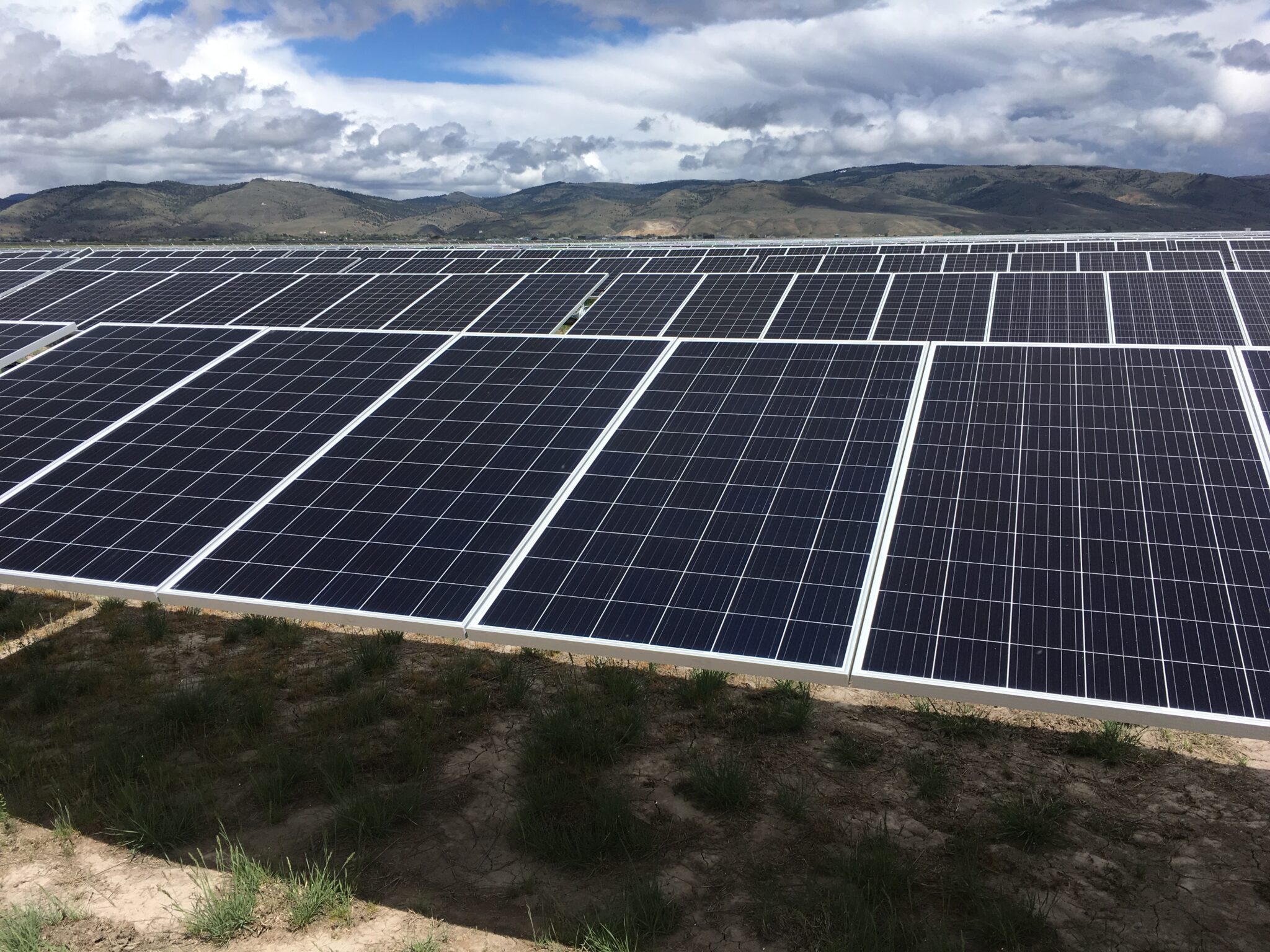
Solar and energy storage models can serve as cost-effective, passive energy generation for transportation systems, including electric vehicles or portable battery systems.
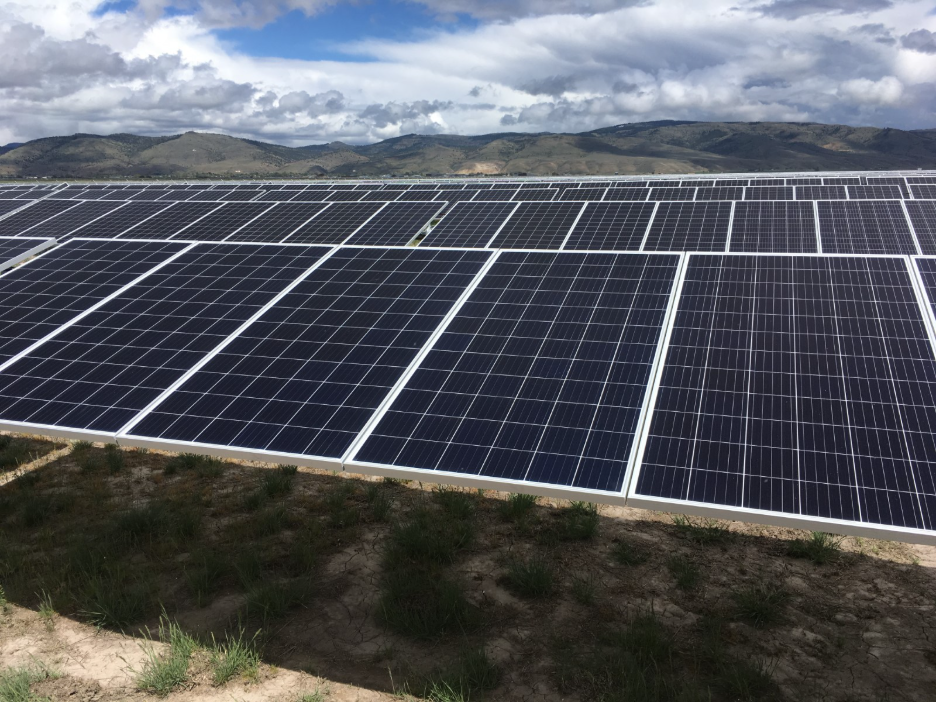
The big picture takeaways from working with state department of transportation are:
- Airspace leasing agreements provide contracting simplicity and can capture the value of what the agency brings without a complicated procurement process.
- Each location has a separate financial model based on the unique properties, legal and policy conditions, as well as utility agreements. At utility scale, solar and storage are the most cost-effective and the most passive energy generation.
- Solar and energy storage in electric vehicles or portable battery systems provide emergency managers with reliable communications and essential service continuity during and after natural disasters and weather events.
Energy from Biomass and Woody Materials
Lumber production, orchards, corridor management, and wildfire avoidance strategies like fuel management yield woody materials (also known as biomass) in large quantities. These materials can be burned in a controlled environment and used for power generation. This is especially relevant in rural communities, industrial contexts, and for the displacement of fossil energy on the grid.
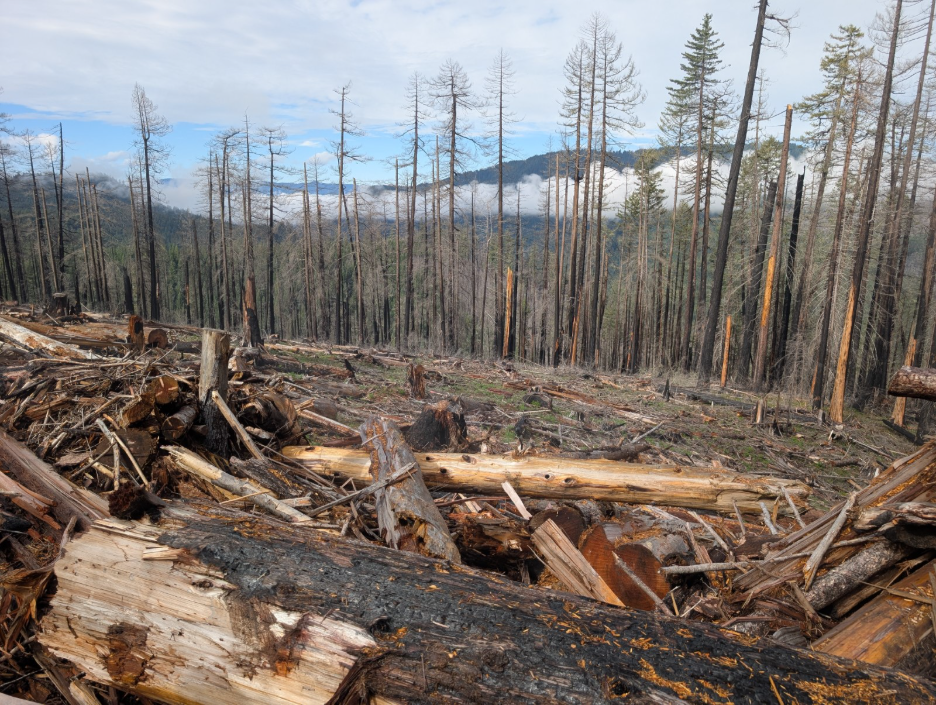
Energy from biomass is more expensive per energy unit than solar and storage, but has excellent value if you consider the social benefits, including job creation and improvements in air quality, water quality, and forest health. Without a large-scale use for the woody material that these industries and activities leave behind, biomass can bottleneck operations and result in open-air combustion of the material – with greater impacts and risks to local communities. By turning woody byproducts into energy, biomass power enables forest activity for economic or ecological purposes to be more cost-effective.
Anaerobic Digestion
Anaerobic digestion–a biological process where microorganisms break down biodegradable organic matter, such as food waste or manure, in the complete absence of oxygen–offers a way to capture fugitive methane and convert it to energy or transportation fuel. From wastewater treatment plants and solid waste authorities to dairy farms, the paths for fuel and electricity are available to most digester operations.
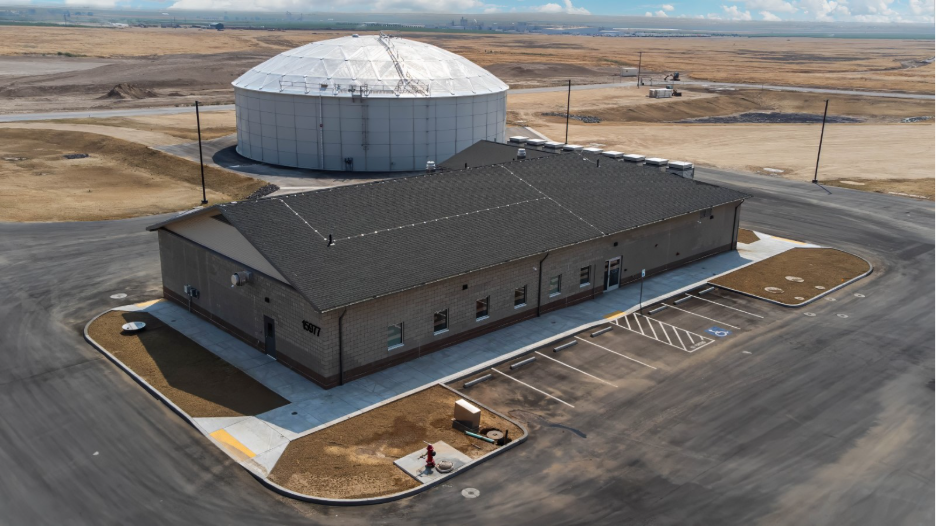
For organizations and agencies that have anaerobic digestion as part of their operations, producing fuel for your own fleet provides the greatest opportunity for avoided cost savings from displaced diesel fuel or serving electrical loads, or from the sale of environmental commodities such as carbon credits, clean fuel program credits, and US EPA’s Renewable Fuel Standard credits.
That said, energy market conditions, including the demand for and value of outputs like renewable natural gas, are in a moment of profound change. The considerations for anaerobic digestion are similar in the solid waste and dairy world, but it is uncommon for organizations to be able to leverage existing infrastructure, and utilizing energy from anaerobic digestion usually requires a new standalone facility, which can challenge the model further.
Identifying Renewable Energy Opportunities
By combining financial analysis, policy expertise, market knowledge, and real-world implementation experience, you can confidently identify renewable energy opportunities that deliver meaningful environmental and community benefits while making good business sense.
About the Author