By John Phillips
As the Central Oregon region grows, it faces new challenges. Maintaining resilient infrastructure, safety, and community health are critical priorities for the region.
Parametrix is collaborating with the Central Oregon Intergovernmental Council (COIC) and Crook, Deschutes, and Jefferson counties to develop a comprehensive, data–driven energy resilience plan. This plan has been designed to enhance Central Oregon’s ability to anticipate, withstand, and recover from power outages while maintaining continuity of critical services.
Challenges in Central Oregon
Central Oregon is a largely rural and geographically dispersed region characterized by small population centers and significant unincorporated areas. Communities across the region face challenges related to frequent wildfires, winter storms, long travel distances, and limited infrastructure. Increasing strains on the power grid and extreme weather events necessitate planning for more severe outages in the future.
Strategic investments that build resilience
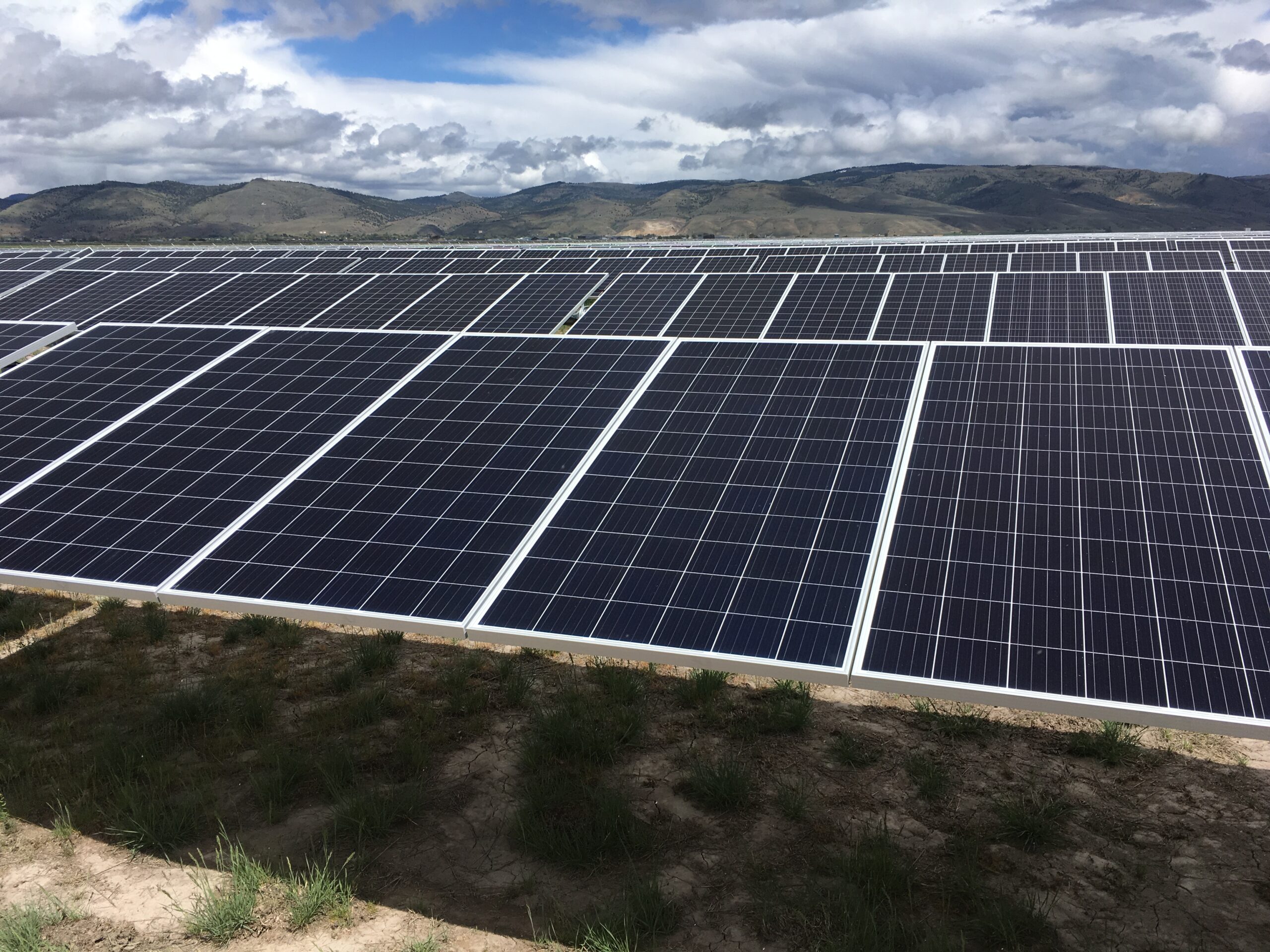
This plan guides counties toward strategic investments to protect essential services during power outages. It focuses on inclusive implementation informed by analysis of service reliability challenges, infrastructure conditions, and community input to support continuity of services for communities with heightened exposure to outages. The plan supports both low-cost, immediate response actions and a longer-term transition towards distributed, renewable energy systems and microgrids to enhance local self-sufficiency and public safety.
At Parametrix, our climate team is leading technical planning and analysis to evaluate energy vulnerabilities throughout the tri-county area. Funded by Oregon Department of Energy grants under HB3630, the team is mapping critical infrastructure, identifying community access and service continuity risks, and assessing threats from natural hazards such as wildfire, winter storms, earthquakes, and system failures. We are also analyzing the energy requirements of essential public facilities and identifying potential community resilience centers where community members can access power, services, information, and safety when the power goes out.
As part of this initiative, Parametrix is completing detailed energy use inventories, determining power needs for critical facilities, and evaluating viable alternative energy solutions such as microgrids, solar-plus-storage, and various backup systems. We are coordinating closely with emergency managers and local partners to ensure the plan is implementable, inclusive of understanding impacts to the community, and consistent with nondiscrimination principles and each county’s Natural Hazard Mitigation Plan.
Through this process, we have co-developed both immediate priorities and long-range objectives to address various outage durations. Central Oregon residents place a high value on self-sufficiency, and community engagement efforts demonstrate that most residents prefer shelter-in-place when possible. However, not all households have the resources or capacity to do so. By including strategies for individual household resilience, energy infrastructure hardening, critical public service facilities, and community resilience centers, this plan addresses a wide variety of needs and outage scenarios. Our holistic approach, combining technical expertise with on-the-ground outreach and community expertise, allows us to deliver high-quality services that meet communities where they are.
Creating a safer, more sustainable future
Energy resilience is an increasingly urgent part of broader community resilience as natural hazards and power system disruptions become more frequent. By planning and investing in distributed energy solutions, communities can protect health and safety during power outages, reduce risks, maintain critical services, and improve overall preparedness. This work represents a collaborative effort to build a safer, more sustainable future for Central Oregon.
It was an honor to serve as the Parametrix project manager for this project. It’s about more than protecting infrastructure; it’s about protecting people. Central Oregon’s communities deserve reliable, resilient systems that keep them safe, connected, and supported during emergencies. Helping build this foundation is a responsibility we take seriously.
About the Author