The Tongass Avenue and Water Street Corridor encompasses the Water Street and Tongass Avenue viaducts, along with the connecting roadway that together form a continuous segment of the Tongass Highway through downtown Ketchikan. The corridor supports a mix of vehicular traffic, freight movement, emergency services, and pedestrian use tied to nearby land uses and seasonal cruise ship tourism. Originally constructed in the mid‑1950s, the Water Street and Tongass Avenue viaducts continue to serve as integral components of Ketchikan’s downtown transportation network.
This project addresses roadway, structural, drainage, and accessibility deficiencies within the project corridor, ensuring continued safe and reliable transportation for vehicular and pedestrian users. It was initially focused primarily on structural repair work but evolved into a multi-decade viaduct replacement program. Parametrix has provided guidance for engineering of the complex project, intersection alternatives development, analysis of proposed solutions, and leadership of community engagement messaging. Services included civil, structural, utilities, geotechnical, traffic signals, stormwater, environmental, and public involvement services.
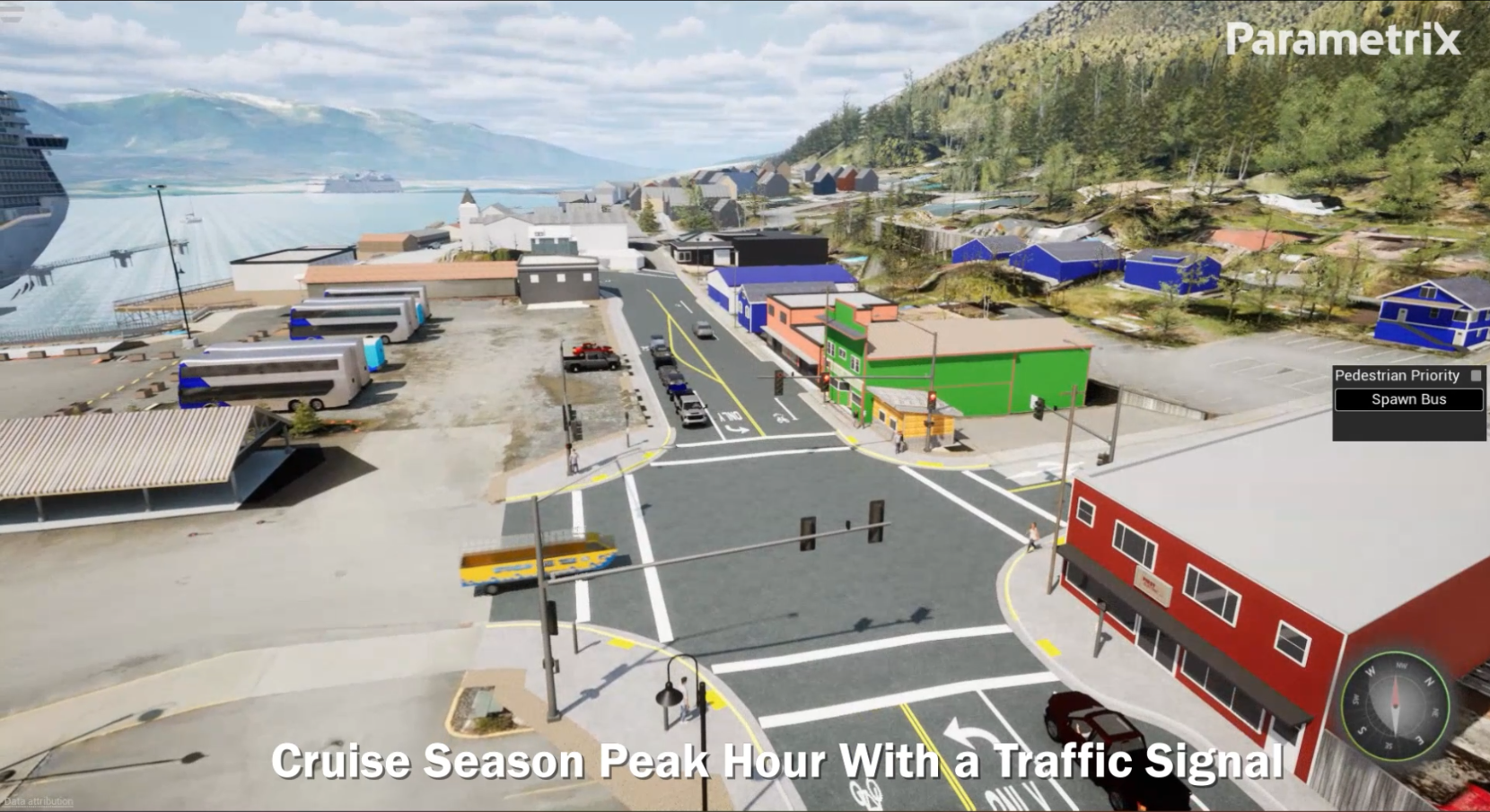
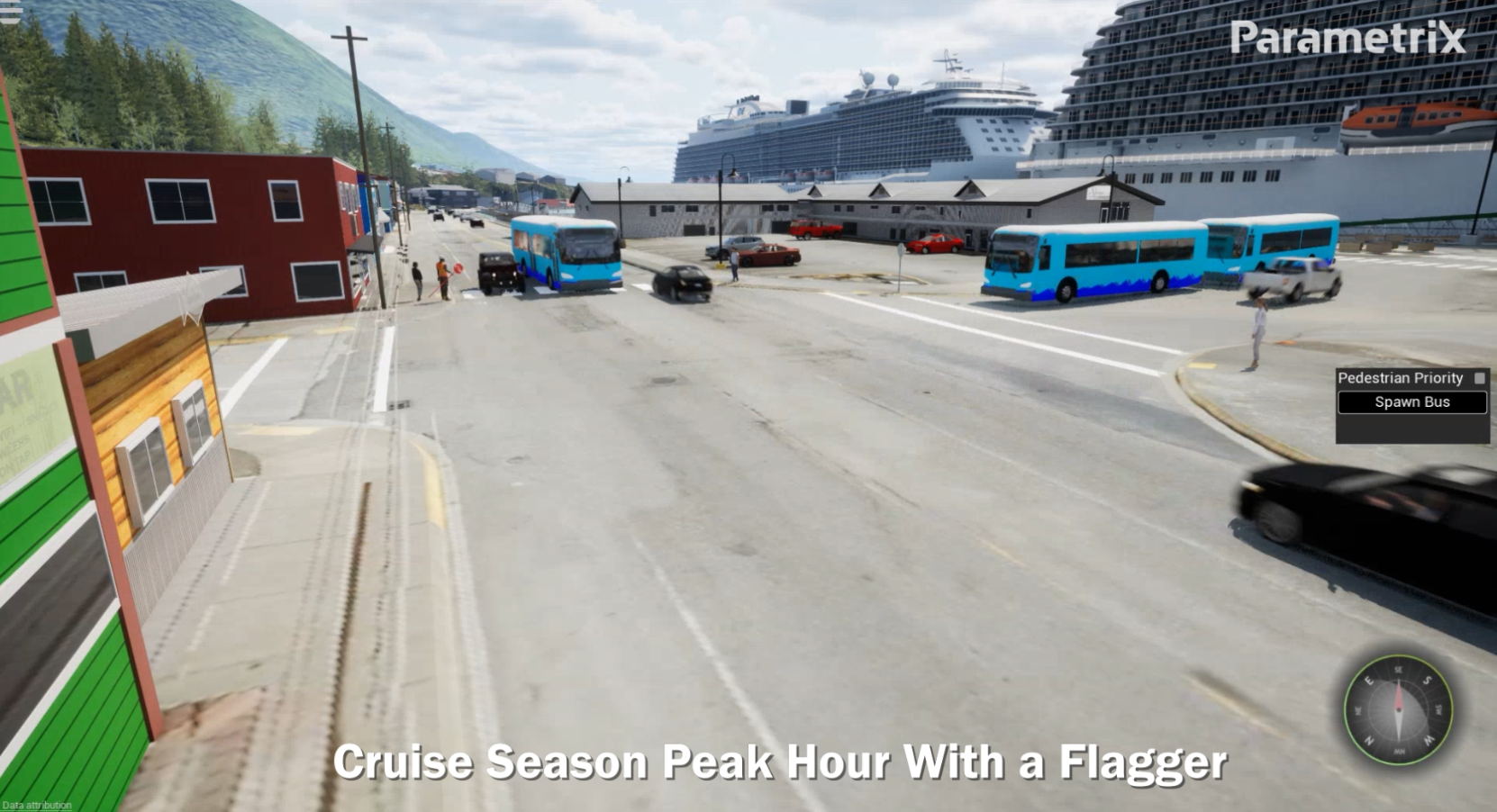
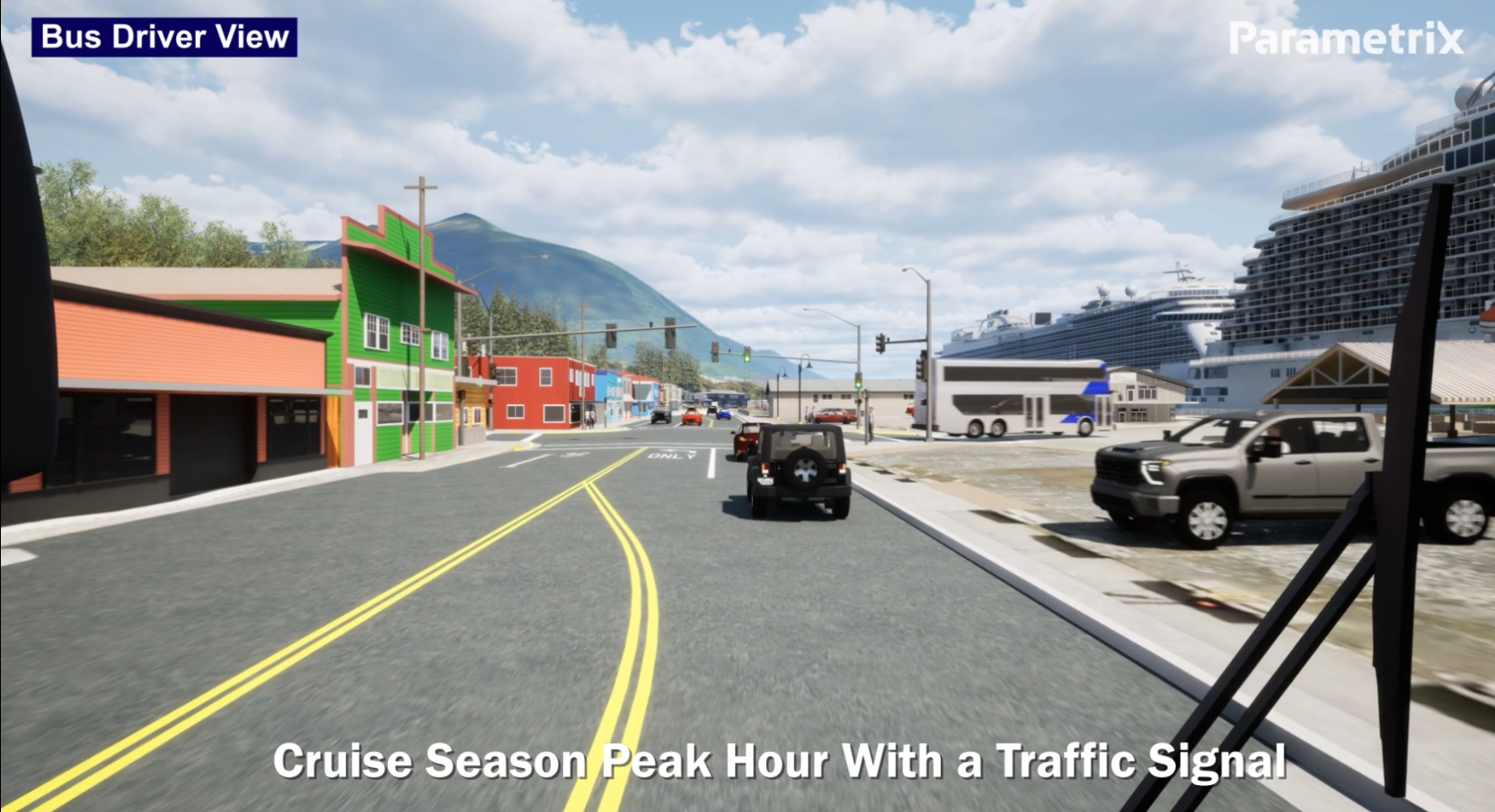
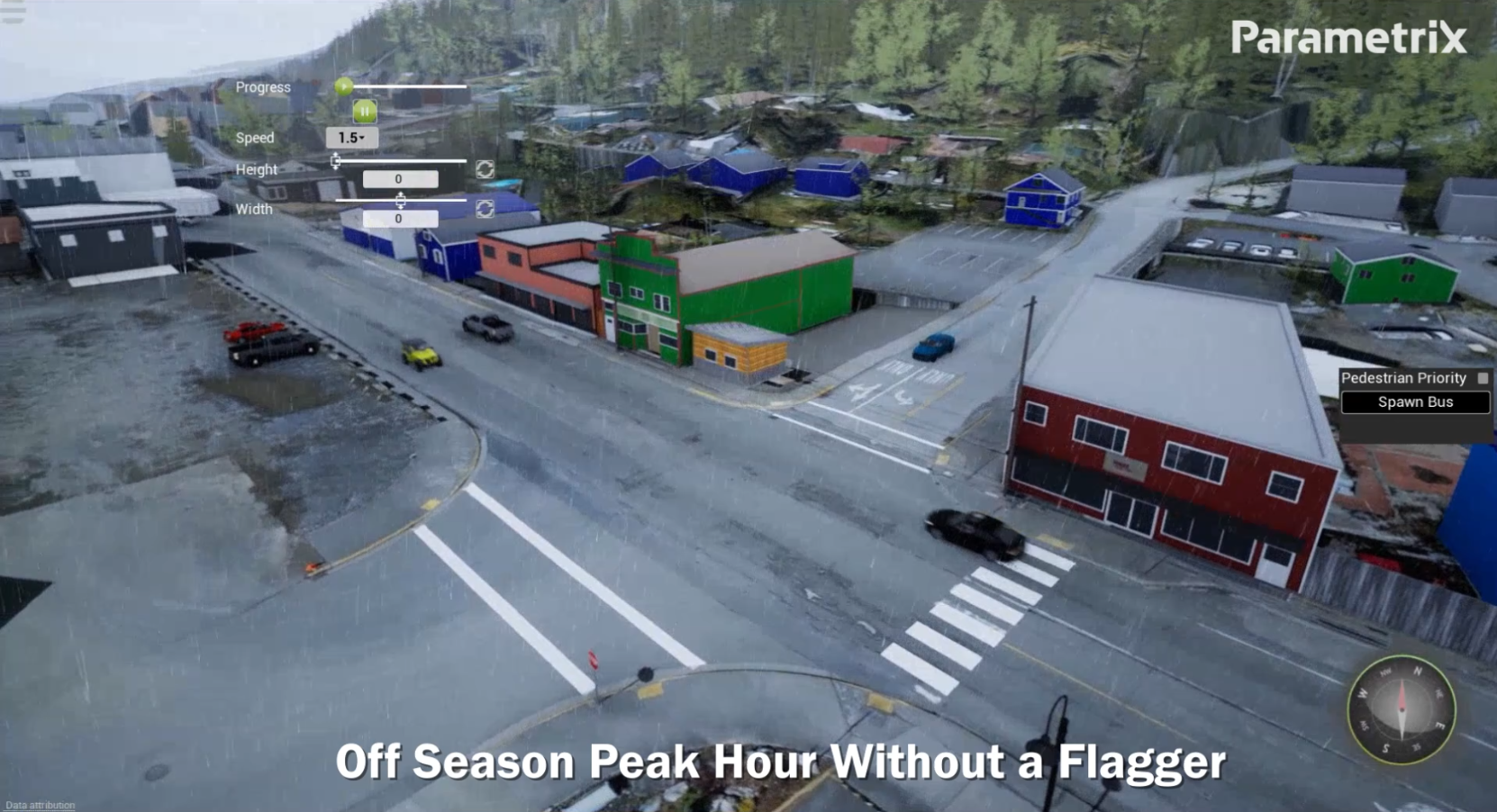
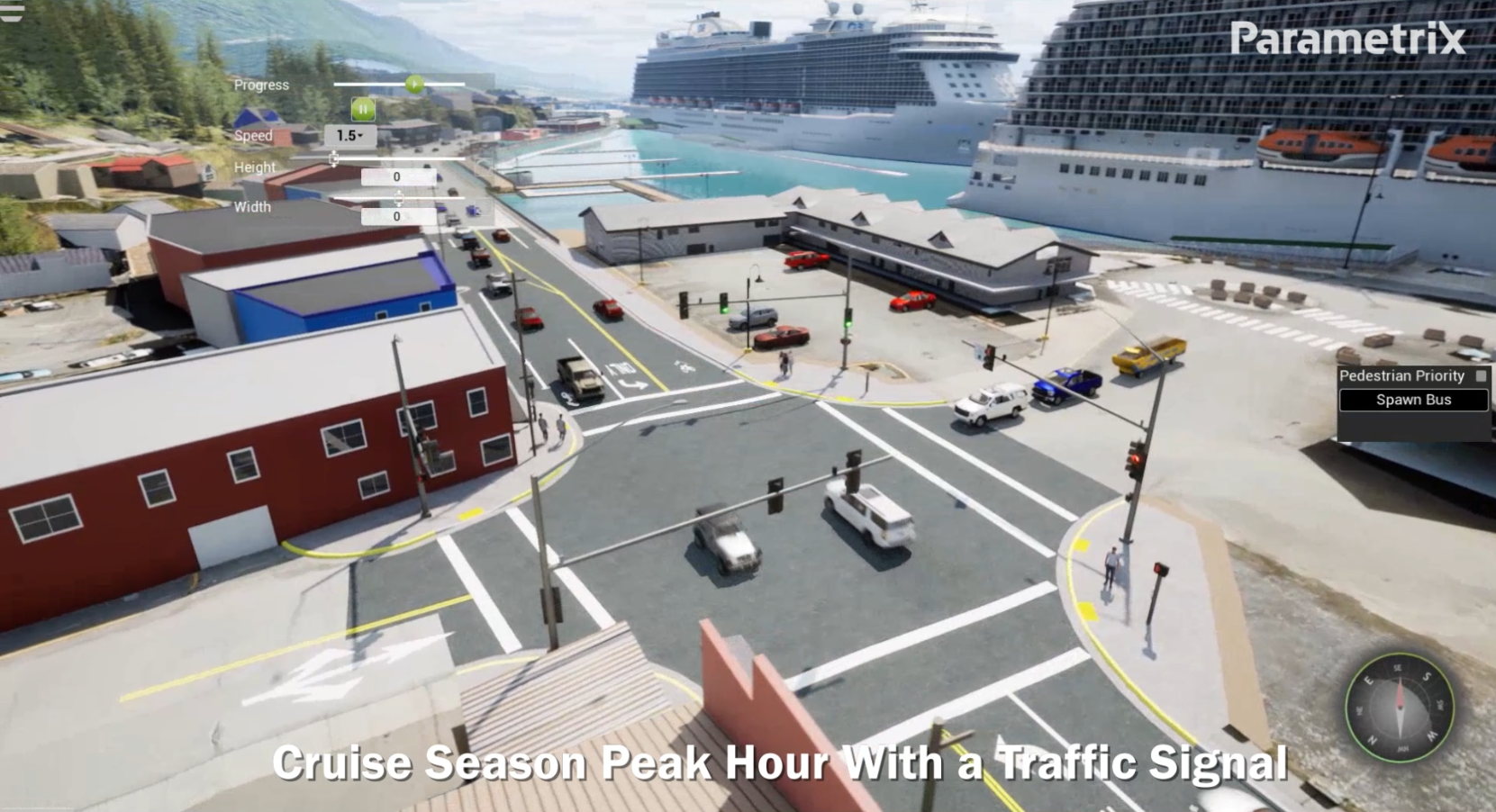
Ketchikan is located in the Southeast Alaska panhandle and economy relies mainly on tourism and commercial fishing. The town sees over 1 million visitors each year brought in by cruise ships. The Water Street and Schoenbar Road intersection is currently managed by a single flagger during peak cruise season peak periods. To illustrate the difference in operations between a traffic signal and flagger, Parametrix developed visualizations of the intersection using our Civil FX modeling tool. The mayor and council members were able to see the difference in operations in a very true-to-life environment, which enhanced and validated the analysis results that Parametrix had presented to them earlier in the year.
The project is being delivered using a construction manager general contractor (CMGC) delivery model after preliminary investigations revealed significant deterioration of the existing structures. The CMGC model will be more efficient due to the complexity of staged construction, along with the economic impacts associated with work on a primary thoroughfare.